
Is Your Cat Slowing Down? Signs of Pain and Arthritis You May Be Missing
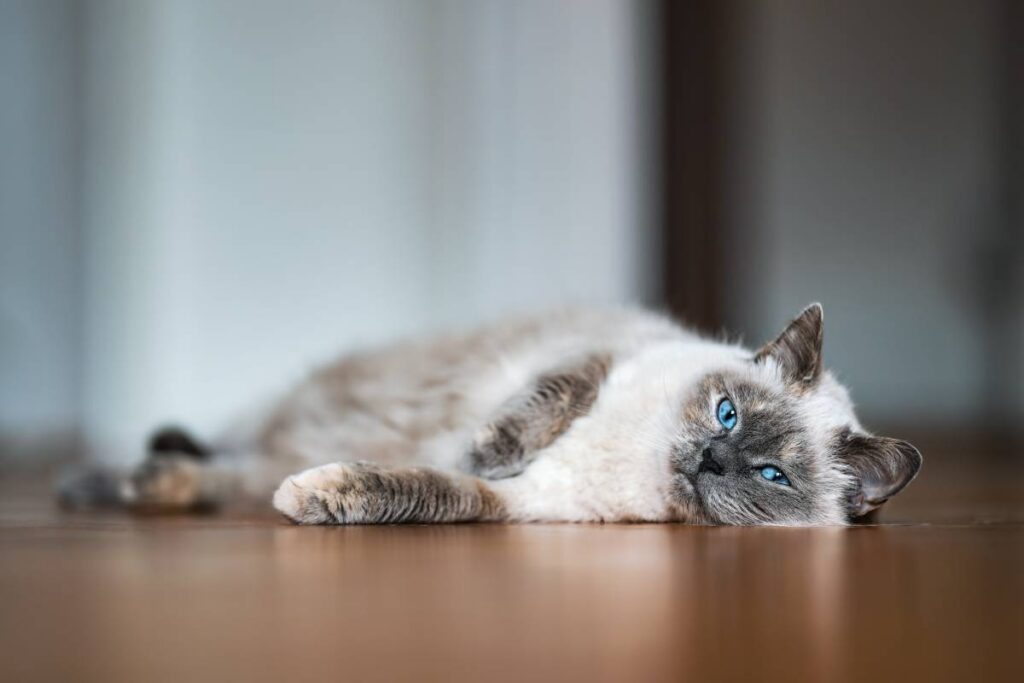
Did you know that arthritis is the leading cause of chronic pain in cats? The progressive condition affects more than 60 percent of felines over 6 and over 90 percent of older kitties over 12. Cat owners are often unaware of the warning signs and symptoms, which is why many cases go undiagnosed and untreated. At All About Cats Veterinary Hospital, we provide arthritis management and care to help your cat enjoy a more comfortable, active life.
Understanding Arthritis in Cats
Cat arthritis, also known as osteoarthritis (OA), typically develops when the cartilage cushioning the joints wears down, resulting in the bones rubbing against each other. This can lead to joint inflammation, swelling, and pain. Risk factors for arthritis include years of wear and tear, joint injuries, torn ligaments, hip dysplasia, obesity, and even genetics.
Although arthritis is more common in senior cats, younger cats can develop it too. And because cats are remarkably good at hiding discomfort, the changes can be easy to miss at first. Paying attention to subtle changes in how your cat moves, plays, sleeps, or interacts with you can help you spot a problem earlier. The sooner we manage arthritis, the better the long-term outcomes for your furry companion.
What Are Signs of Feline Arthritis?
Cats are experts at hiding pain, which is why arthritis often progresses and worsens before pet parents notice something’s off. Warning signs to look out for include the following:
- Loss of interest in play or activities your cat once loved
- Struggling with climbing stairs and hesitating to jump on furniture
- Stiffness or limping that is more pronounced after resting or taking a nap
- Difficulty getting up, lying down, or moving around comfortably
- Sleeping for longer periods or being less active than usual
- Changes in grooming habits, including neglecting hard-to-reach areas
- Irritability or reluctance to be touched or picked up
- Difficulty getting into or out of the litter box
- Choosing lower surfaces rather than favorite elevated resting spots
- Changes in posture or the way your cat sits, lies down, or walks
If you notice any of the above symptoms, it’s important to seek prompt care. Early intervention is key to slowing down the progression of the degenerative disease and improving your feline friend’s quality of life.
How Is Arthritis Managed in Cats?
Our team at All About Cats Veterinary Hospital will evaluate your cat’s symptoms and conduct a thorough exam to check for joint swelling, stiffness, or signs of pain. We may also take X-rays to look for arthritic or degenerative changes and help rule out other causes of your cat’s concerns.
Arthritis management depends on a cat’s unique needs and the severity of the condition. In general, treatment may include supplements to support joint health, prescription medication to reduce inflammation and relieve discomfort, physical rehabilitation to improve comfort and mobility, and nutritional guidance to achieve a healthier weight and reduce joint strain. Our team will create a personalized care plan to help ensure the best possible quality of life.
How Can You Help at Home?
It’s important to follow the care directions we provide, especially when it comes to prescribed medications and weight management plans. You can also help your furry friend by making simple accommodations at home. Keep food and water within easy reach. Opt for a litter box with lower sides to make climbing in and out easier. Make sure to provide comfy, supportive bedding; consider purchasing a heated bed for additional comfort and relief. If you have any questions on how to make home life easier for your cat, our team is always here for you.
Cat Arthritis Treatment Near Me in Kirkland, WA
Because arthritis is a progressive condition, ongoing monitoring is important. Our team at All About Cats Veterinary Hospital will continue to evaluate your cat’s comfort, mobility, and response to treatment and make any needed adjustments to ensure the best possible long-term outcomes. We strive to ensure your furry companion continues to enjoy an active, vibrant life.
Contact us at 425-636-8201 to schedule an appointment today. You can count on us for exceptional, compassionate care because, after all, we’re all about cats!