
What Is the Safest Way to Manage Feline Obesity?
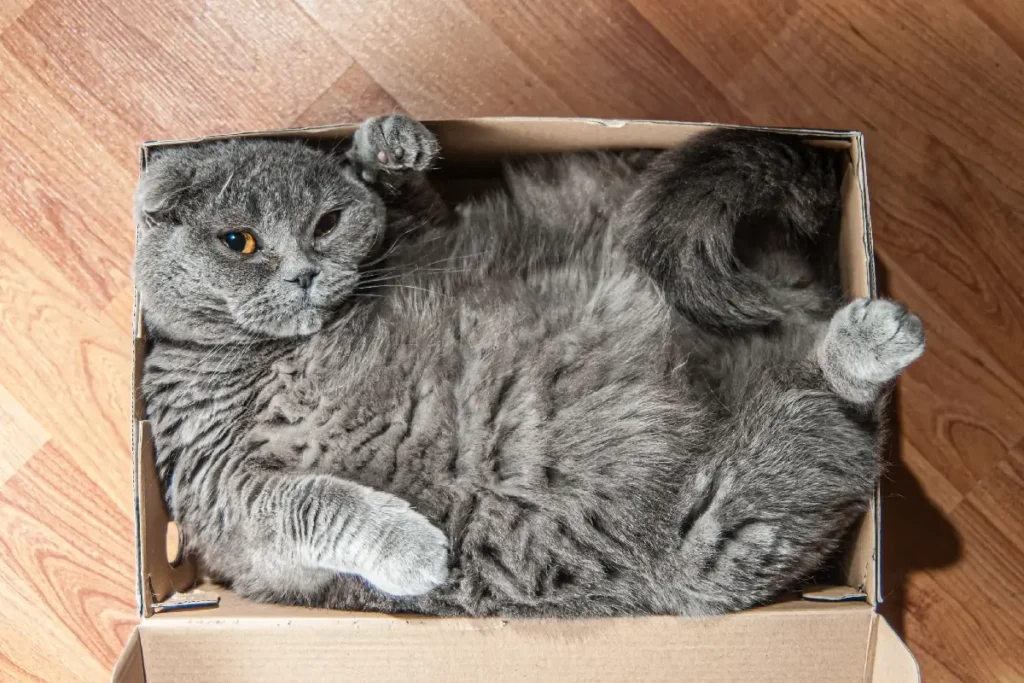
Did you know that obesity is the single most common preventable disease in domestic cats? It can be hard to resist giving your furry companion an extra treat or two, but those extra ounces can quickly add up, posing a risk to your feline friend’s health. At All About Cats Veterinary Hospital, we offer personalized nutritional guidance to help your furry friend enjoy a healthy, active, and vibrant life.
What Are the Causes and Health Implications of Feline Obesity?
According to the Association for Pet Obesity Prevention, more than 60% of cats in the U.S. are classified as overweight or obese. This prevalent concern often stems from indoor, sedentary lifestyles, free-feeding, frequent treats or table scraps, excess calorie intake, and individual factors, such as age and spay or neuter status. Unexplained weight gain may also result from underlying health concerns, which is why veterinary evaluation is important before beginning a weight management plan.
Cat obesity is a serious medical concern, often leading to complications, including the following:
- Type 2 Diabetes
- High blood pressure
- Osteoarthritis, joint pain, and reduced mobility
- Non-allergic skin disease and grooming difficulties
- Hepatic Lipidosis (Fatty Liver Disease)
- Urinary tract problems and blockages
- Kidney disease
- Respiratory problems
How Can You Tell If Your Cat Is Overweight?
Because cats tend to be loungers, weight gain can creep up without you noticing. Visible signs of feline obesity may include ribs that are difficult to feel beneath a thick layer of fat, little or no visible waist when viewed from above, and excessive abdominal fat. Your cat may have trouble jumping onto high furniture or window sills, may have a heavy, waddling gait, and may be reluctant to play with or engage with toys that require any effort. Your furry companion may start having trouble grooming certain hard-to-reach areas, often leading to matted fur or dandruff along the lower back and the base of the tail.
If you suspect your cat is overweight, schedule a consultation with our team at All About Cats Veterinary Hospital. We will evaluate your feline companion’s Body Condition Score (BCS), a standardized system veterinarians use to determine whether a cat is underweight, just right, or overweight.
Taking Control of Your Cat’s Weight
If your cat is overweight, our team at All About Cats Veterinary Hospital will begin with a comprehensive health screening and, as necessary, lab work, and create a custom weight management plan. This may include a specialized diet that’s rich in necessary nutrients and lower in calories. We will work with you to determine the ideal food, adequate portions, and a feeding schedule. We may also help you develop exercise strategies, such as laser play, interactive toys, and puzzle feeds, to help your cat stay active and maintain a healthy weight.
When it comes to helping your cat lose weight, it’s important to do so slowly and with the guidance of a veterinarian. If you cut back on their food too quickly, it can result in rapid weight loss, leading to nutritional deficiencies and a range of health concerns, such as hepatic lipidosis, or fatty liver disease. Our team will monitor your cat’s progress and make adjustments to the plan as needed to ensure the process is safe and effective.
Feline Weight Management Near Me in Kirkland, WA
If your cat is showing signs of obesity, contact All About Cats Veterinary Hospital to schedule a consultation. Our team will evaluate your cat’s needs and recommend a weight management plan to promote a long, healthy life.
Contact us at 425-636-8201 to schedule an appointment today. You can count on us for exceptional, compassionate care because, after all, we are all about cats!