
What Is Feline Stomatitis, and Why Is It So Painful for My Cat?
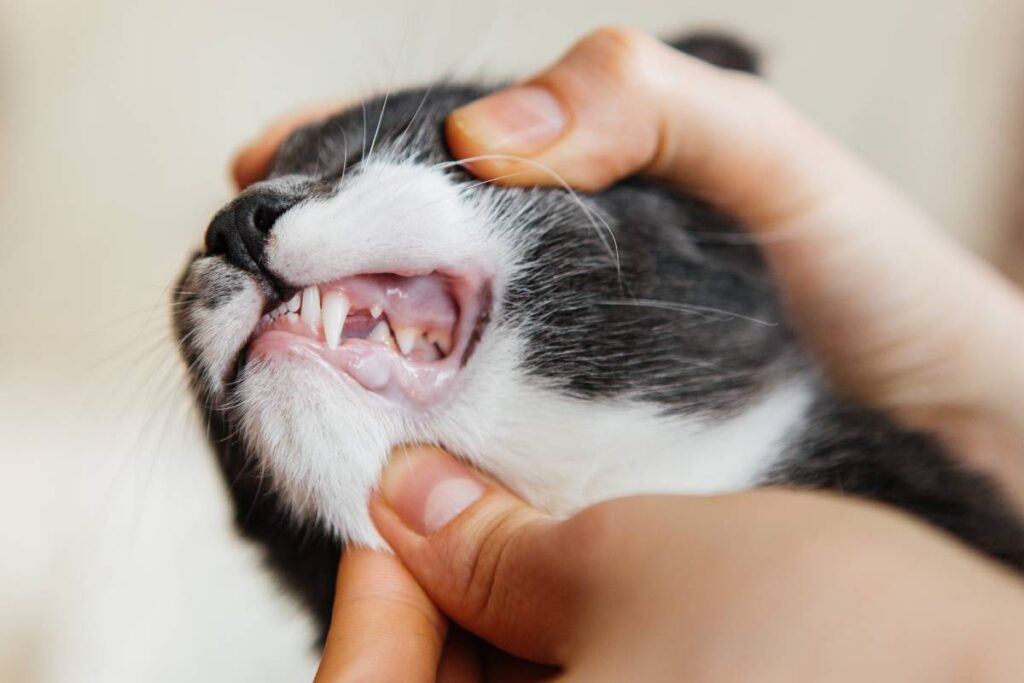
Has your cat stopped eating as much or started drooling more than usual? Or maybe your furry companion has started flinching when touched near the face. These can all be signs of feline stomatitis, a painful condition that can take a toll on your cat’s comfort and quality of life. Because cats are masters at hiding their discomfort, this disease often goes unnoticed until it’s already advanced. At All About Cats Veterinary Hospital, we emphasize the importance of early detection and care to ensure the best possible outcomes for your beloved family member.
What Is Feline Stomatitis?
Feline stomatitis is a painful, chronic inflammatory condition that affects the gums, tongue, throat, and inner cheeks. Unlike periodontal disease, which is usually caused by plaque and tartar buildup, stomatitis develops as a result of a cat’s immune response overreacting, often triggered by plaque, bacteria, or a virus. The resulting intense and widespread inflammation can make eating and grooming extremely painful and difficult. Stomatitis is more common than many pet parents realize, and it can affect cats of any age or breed.
What Are the Warning Signs of Stomatitis in Cats?
Because cats are so good at masking their discomfort, stomatitis can be easy to overlook at first. Here are some of the most common warning signs of this painful condition:
- Reduced appetite or a sudden reluctance to eat
- Dropping food or chewing only on one side of the mouth
- Drooling more than usual, sometimes with a bit of blood
- Pawing at the mouth or face
- Breath that smells unusually bad
- Losing weight or a coat that looks dull and unkempt from less grooming
- Seeming irritable or withdrawn, especially when touched near the head
If you notice any of these signs in your cat, it’s important to schedule a visit to the vet. While these signs may not always indicate stomatitis, the sooner you seek care, the better the outcomes.
Why Is Stomatitis So Painful?
The mouth is one of the most sensitive parts of a cat’s body. When stomatitis takes hold, the inflammation can be so severe that the mouth tissues become raw and ulcerated, and in some cases bleed with even the slightest contact. Picture the pain of a severe mouth sore covering most of the inside of your mouth. For cats with stomatitis, the level of discomfort can be excruciating, making it incredibly difficult to eat, drink, or groom, let alone socialize with their human family members.
How Is Feline Stomatitis Treated?
Treatment for stomatitis is tailored to the severity and location of the inflammation, your cat’s overall health, and the results of a comprehensive oral examination and dental X-rays. Because feline stomatitis results from an abnormal inflammatory response in the mouth, a professional cleaning alone is usually insufficient to resolve the condition.
While medical treatment and good oral hygiene can sometimes help, extracting some or all of your cat’s teeth is often the most effective way to treat stomatitis. We may also recommend supportive care to restore your furry friend’s health and comfort, which may include one or a combination of the following:
- Pain Management: We may prescribe pain relief medication to help make eating, drinking, and resting more comfortable.
- Anti-Inflammatory or Immune-Modulating Medication: Your cat may require these medications to help control inflammation, especially if symptoms persist after extraction.
- Antibiotics: Antibiotics may be needed if your cat develops a secondary bacterial infection, although they do not address the underlying immune-mediated condition.
- Nutritional Support: Soft or blended food, appetite stimulants, assisted feeding, or other nutritional support may be needed if your cat’s oral pain has led to a reduced appetite or significant weight loss.
- Hydration Support: Cats that are not drinking adequately may require additional fluids or other veterinary support to prevent dehydration.
- Follow-Up Monitoring: Regular rechecks will allow our team to monitor healing, evaluate ongoing inflammation, and adjust treatment as needed.
With appropriate treatment, pain control, nutritional support, and follow-up care, most cats can return to eating comfortably and enjoying a much better quality of life.
Feline Stomatitis Care Near Me in Kirkland, WA
If your cat is showing signs of oral pain or discomfort, don’t wait. Contact All About Cats Veterinary Hospital to schedule a consultation. Our team will carefully evaluate your cat’s concerns and recommend the most conservative and effective treatment option. Our goal is to provide prompt relief and improve your feline friend’s quality of life.
Contact us at 425-636-8201 to schedule an appointment today. You can count on us for exceptional, compassionate care because, after all, we are all about cats!