
Which Cat Vaccinations Are Absolutely Necessary for an Indoor-Only Cat?
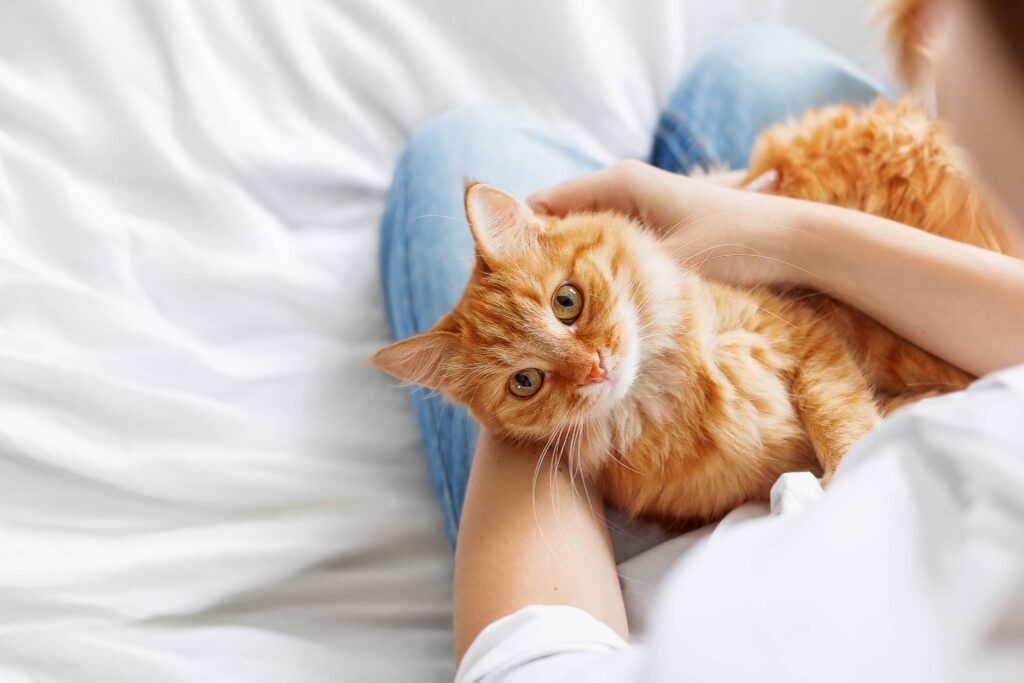
You may be wondering whether your indoor cat really needs vaccinations. After all, if your feline friend never sets a paw outdoors, what could possibly go wrong? It’s a fair question, and one we hear often here at All About Cats Veterinary Hospital. Our team is a proponent of preventive care for every cat, and the following are some reasons why.
How Do Vaccines Protect Your Cat?
Vaccines work by helping your cat’s immune system recognize and fight off serious and potentially deadly infectious diseases. They contain weakened, inactive, or modified pathogens that induce an immune response without causing illness. If your cat is exposed to one of these pathogens in the future, their immune system is armed with antibodies and ready to respond quickly and effectively, which can be lifesaving for your furry companion.
Core vs. Non-Core Vaccinations
Feline vaccines are generally grouped into two categories: core and non-core. Core vaccines are essential for all cats because they guard against highly contagious or dangerous diseases. Non-core vaccines are recommended based on a cat’s environment, exposure risk, and daily routine.
Here is a look at core vaccines for every cat:
- Rabies: Rabies vaccination is required by law in Washington State and is an important safety measure for both pets and people. Kittens usually receive their first dose at about 12 weeks old, followed by a booster one year later. After that, revaccination is typically needed every one to three years. Because rabies is nearly always fatal once symptoms appear and can be transmitted to humans, it’s critical to keep your furry friend up to date on vaccinations.
- FVRCP: This combination vaccine protects against three major feline illnesses: panleukopenia (distemper), calicivirus, and viral rhinotracheitis (feline herpesvirus). Kittens begin this vaccine series at around eight weeks of age and receive boosters every few weeks until they are about 16 weeks old. A follow-up booster is given at one year, and then every three years to maintain protection.
Here are the non-core vaccines based on your cat’s lifestyle:
- Feline Leukemia (FeLV): The American Association of Feline Practitioners recommends vaccinating kittens for feline leukemia after they test negative. A booster is given at about one year of age. Adult cats that spend time outdoors or live with cats who go outside may benefit from ongoing boosters every one to three years.
- Bordetella: Cats that are frequently groomed, boarded, or exposed to other animals may be at higher risk for respiratory infections. In these cases, a Bordetella vaccine may be recommended to help reduce the risk of illness. Annual boosters are common, though some cats may need them more often depending on exposure.
Why Do Indoor Cats Need to Be Vaccinated?
Many cat parents assume that keeping their felines indoors eliminates the need for vaccines. While it is true that indoor cats face far fewer risks than outdoor cats, they are not completely shielded from infectious diseases. Viruses and bacteria can often hitch a ride indoors on your clothing, shoes, or hands. Or a screen door left open, a cracked window, or an unexpected escape can expose your cat to serious illness in an instant. Keeping your indoor cat vaccinated provides an extra layer of protection against accidental exposures and helps keep everyone in your household safer.
Cat Vaccinations Near Me in Kirkland, WA
At All About Cats Veterinary Hospital, we believe prevention is one of the best gifts you can give your paw-some companion. Whether your feline friend spends all their time indoors or occasionally ventures out, we’ll recommend the right vaccinations at the right time. You can always count on our team for exceptional, compassionate care because, after all, we are all about cats!