
Diabetes in Cats – Symptoms, Causes and Treatment
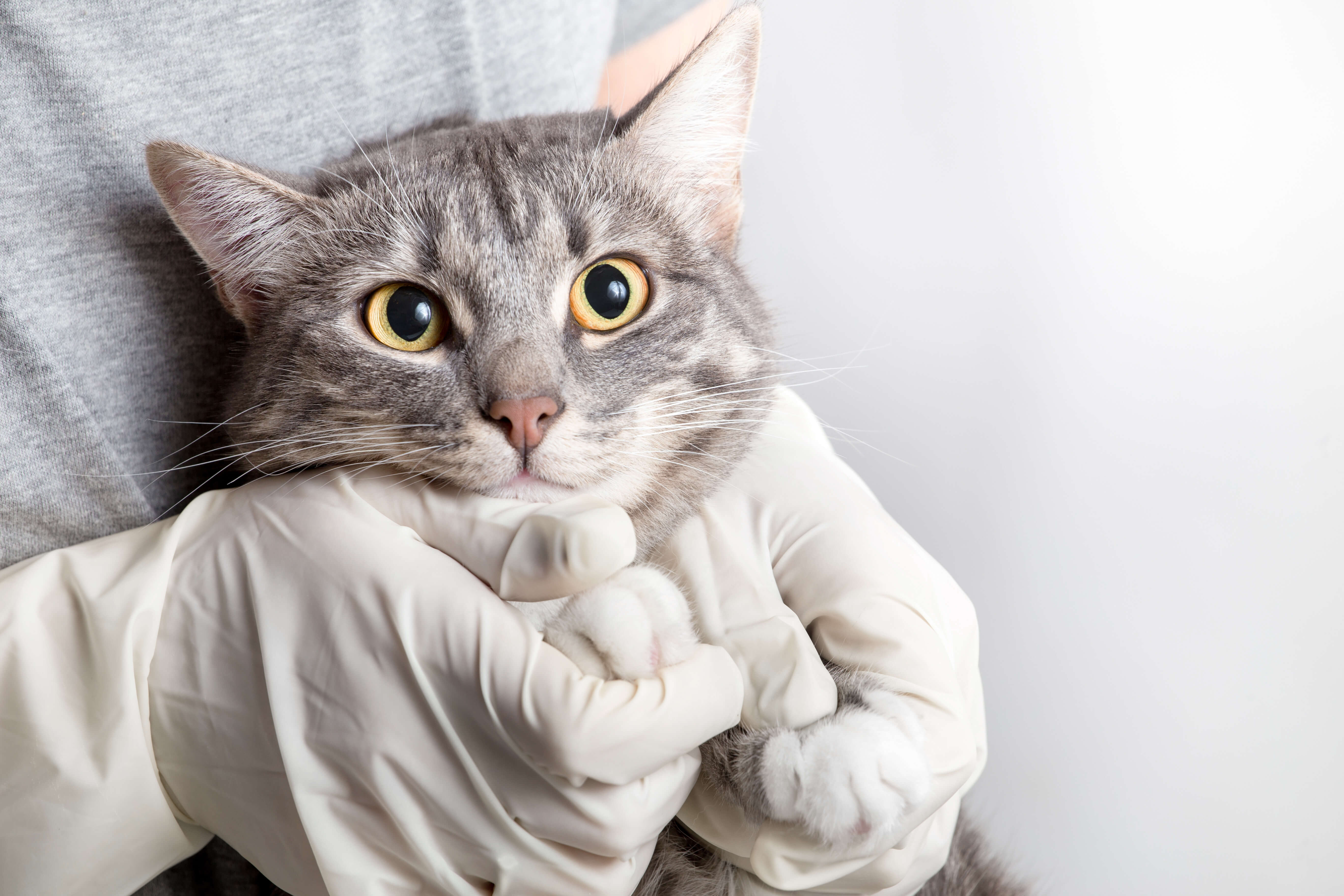
Did you know that feline diabetes has been on the rise? Staying informed and recognizing the clinical signs of diabetes will ensure we can start treatment as soon as possible. If in doubt, please contact your caring team at All About Cats Veterinary Hospital. We will make sure to diagnose and treat any health condition that may affect your kitty’s quality of life.
What is Feline Diabetes?
As with humans, diabetes is a condition in which the body can no longer produce enough of or properly use the hormone insulin to break down the sugars in food. In Type I diabetes, glucose concentrations are high because of decreased production of insulin by the pancreas, while in Type II diabetes, the most common form of diabetes, glucose levels are high because the cells in the cat’s body do not respond appropriately to insulin.
Causes of Diabetes in Cats
While the exact causes of feline diabetes are not known, it is more likely to affect cats that are obese. Older cats are also more prone to diabetes, as well as cats with chronic pancreatitis and hyperthyroidism. Certain medications including corticosteroids have also been linked to diabetes.
Symptoms of Feline Diabetes
The primary symptoms of diabetes are increased thirst and urination. Your cat may also experience increased hunger, poor appetite, weight loss, lethargy, jaundice, vomiting, and/or depression. If you notice any of these signs, contact us right away to ensure your fur baby gets the needed care.
Diagnosing Feline Diabetes
We will start by evaluating your cat’s medical history and any symptoms. A lab test to detect sugar in the urine will determine if your cat has diabetes. Once a diagnosis is confirmed, we will begin treatment right away.
Treating Feline Diabetes
There is currently no cure for diabetes. Treatment involves managing the condition to ensure your kitty thrives and enjoys a healthy, happy life.
Treating diabetes starts with addressing your kitty’s diet. In some cases, changes in diet and a weight loss program can help alleviate the symptoms of the disease. Some cats require a diet high in fiber and complex carbohydrates, while others need a low carbohydrate diet to achieve a healthy weight.
In addition to changes in diet, your kitty may need oral medication to help with insulin resistance. You will need to check your furry companion’s sugar levels frequently to ensure the medicine is effective. Some diabetic cats may require insulin injections. We will prescribe the ideal dosage based on your cat’s needs and will teach you how to administer these injections at home.
We Are Here For You
Contact us at All About Cats Veterinary Hospital for more information on how to best care for a cat with diabetes. We are committed to providing your feline friend with purr-fectly compassionate and comprehensive care. You can always count on us.